June 15, 2026
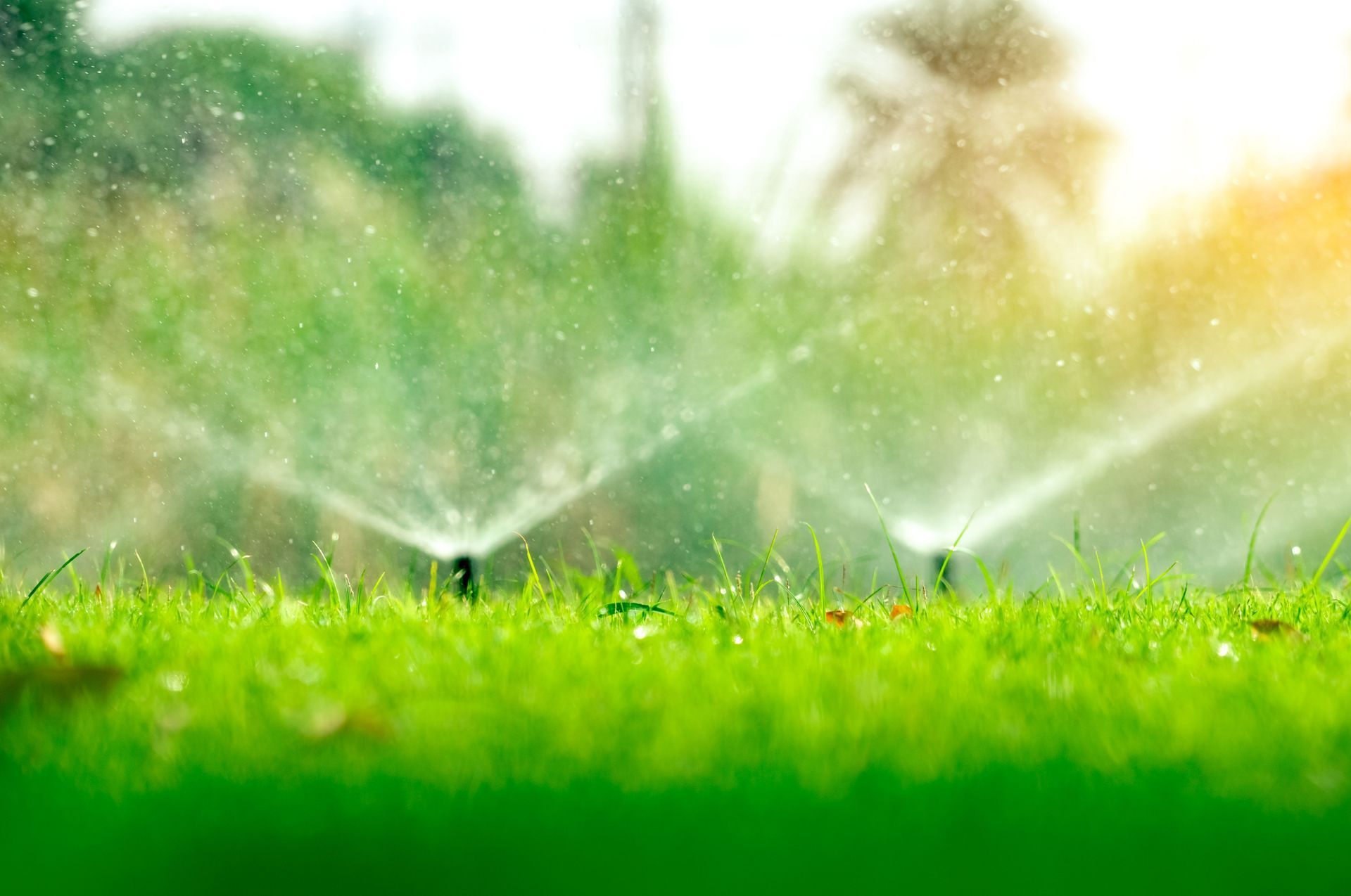
As watering technology continues to evolve, homeowners are reaping the benefits of upgrading outdated irrigation equipment. Modern sprinkler systems offer improved water efficiency, healthier landscaping, easier maintenance, and better overall convenience. Older irrigation setups may still function, but they often lack the precision and automation that newer technology provides. Upgrading can help homeowners avoid wasted water, uneven coverage, and costly repairs while creating a healthier outdoor environment.
Modern irrigation technology also supports long-term sustainability. Smart features, weather-responsive controls, and improved spray technology allow homeowners to care for lawns and gardens more responsibly. By investing in advanced solutions, property owners can create a greener landscape while reducing unnecessary utility costs and maintenance demands.
1. Enhanced Water Efficiency
One of the most important reasons to upgrade sprinkler systems is the improvement in water efficiency. Older equipment often waters too frequently or distributes water unevenly, leading to runoff and wasted resources. Newer smart controllers use weather data and soil moisture sensors to determine when watering is necessary, reducing overwatering and improving overall lawn health.
Adjustable watering schedules also allow homeowners to customize irrigation based on seasonal conditions and plant requirements. This flexibility ensures lawns and gardens receive the right amount of water without unnecessary waste. Drip irrigation options further improve efficiency by delivering moisture directly to root zones where it is needed most.
2. Improved Landscape Coverage
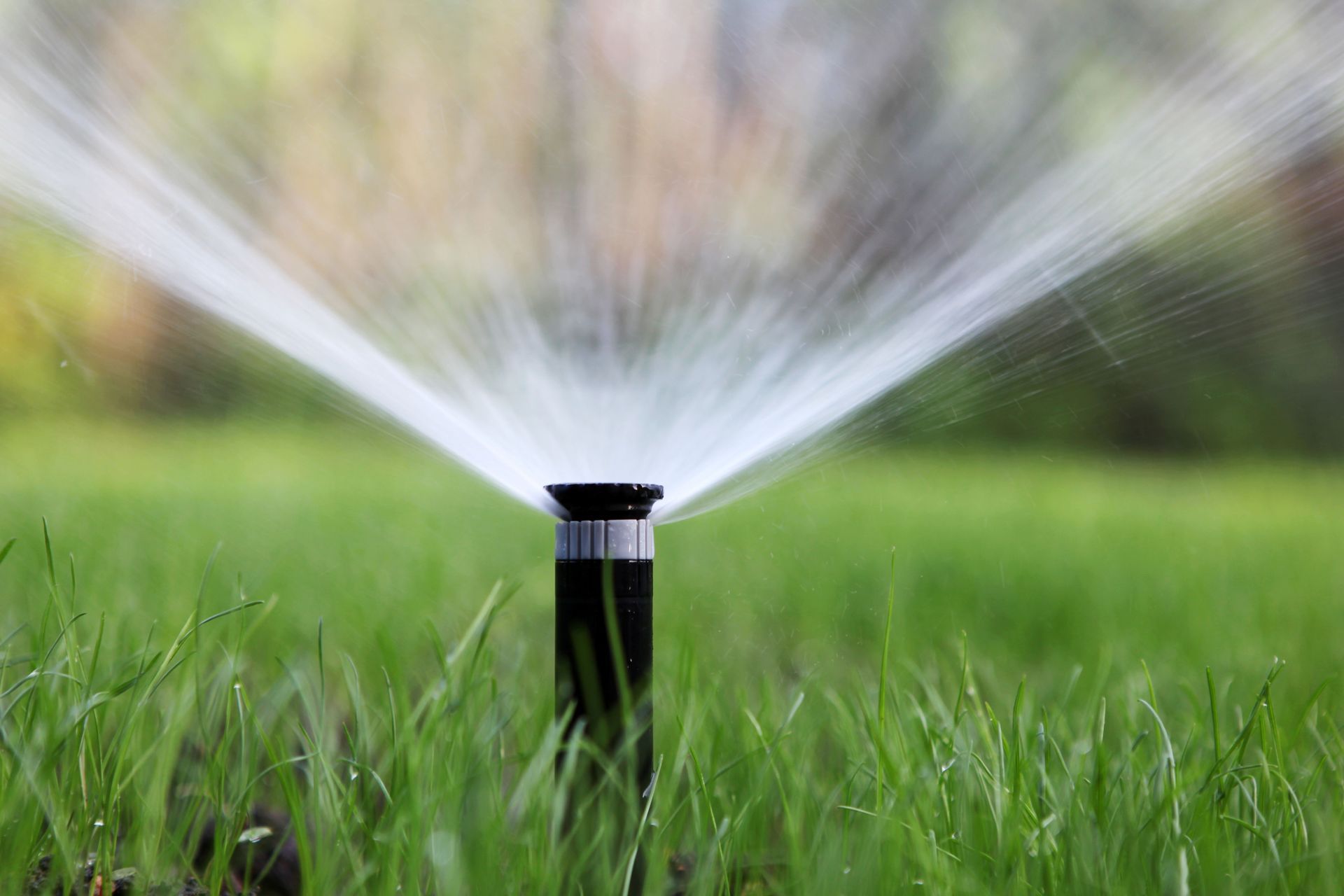
Modern spray heads and rotary nozzles provide more consistent water distribution across lawns and planting areas. Older systems often leave behind dry spots or oversaturated patches that affect plant growth and visual appearance. Updated equipment improves precision and helps maintain balanced hydration throughout the property.
Customized zone programming allows irrigation schedules to match the needs of specific areas within the landscape. Sunny sections, shaded areas, flower beds, and grass zones may all require different watering patterns. Improved coverage helps protect landscaping investments while minimizing waste.
3. Smart Automation Features
Automation is another major advantage of upgrading sprinkler systems. Remote monitoring capabilities allow homeowners to control irrigation schedules using mobile apps or smart home platforms. This convenience makes it easier to adjust watering settings without manually operating the controller.
Weather-responsive technology can also make automatic changes when rain, wind, or temperature conditions shift. These automated adjustments improve efficiency while reducing the risk of unnecessary watering. Maintenance alerts can notify homeowners about leaks, damaged heads, or pressure issues before small problems become costly repairs.
4. Time-Saving Convenience
Busy homeowners often appreciate the time-saving features included with modern irrigation technology. Instead of manually checking schedules or making seasonal adjustments, many systems can adapt automatically throughout the year. Seasonal programming helps lawns remain healthy while reducing the effort required for maintenance.
Winterization features are another valuable addition. In colder climates, built-in winter preparation settings can help protect pipes and sprinkler heads from freezing damage. These automated protections help extend equipment lifespan while reducing repair expenses.
Many systems also allow homeowners to pause watering schedules remotely while traveling or during extended periods of rain. This level of flexibility helps prevent unnecessary water use and offers greater peace of mind. Automatic notifications and system reports can also simplify routine monitoring by providing updates about performance and water usage.
5. Lower Long-Term Costs
Although upgrading irrigation equipment requires an upfront investment, modern systems can reduce long-term expenses. Efficient water distribution often leads to lower utility bills, especially during warmer months when outdoor watering increases. According to LawnStarter, sprinkler systems typically cost between $0.29 and $0.48 per square foot depending on project size and zoning requirements.
Newer materials and built-in diagnostics can also reduce the frequency of repairs. Leak detection technology identifies issues early, helping homeowners avoid water waste and property damage. Fewer breakdowns and lower maintenance demands contribute to stronger long-term value.
6. Environmental Benefits
Efficient irrigation practices support environmental conservation by reducing water waste and runoff. Upgraded systems help preserve local water resources while improving overall landscape management. More accurate watering also reduces erosion and prevents excessive runoff from carrying chemicals into nearby waterways.
Modern irrigation methods can support healthier soil conditions and encourage stronger root growth. Proper hydration promotes plant stability and supports biodiversity within the landscape. Homeowners who adopt efficient watering practices contribute to broader sustainability efforts while maintaining attractive outdoor spaces.
Water conservation has become increasingly important in many regions experiencing drought conditions and rising utility demands. Smart irrigation technology allows homeowners to participate in conservation efforts without sacrificing the appearance of their lawns or gardens. This balance between sustainability and landscape quality makes modern irrigation upgrades especially valuable for environmentally conscious property owners.
7. Improved Property Appearance
Healthy lawns and thriving gardens contribute significantly to curb appeal. Upgraded sprinkler systems help maintain consistent hydration, which supports greener grass, healthier plants, and a more polished landscape appearance. Eliminating dry patches and oversaturated areas creates a cleaner and more professional-looking yard.
A well-maintained outdoor space can also positively influence property value. Potential buyers often appreciate landscaping improvements that reduce maintenance demands and support long-term efficiency. Modern irrigation upgrades demonstrate thoughtful property care and investment.
8. Advanced Smart Technology
Today’s irrigation systems integrate easily with smart home technology. Voice-controlled assistants, mobile apps, and real-time analytics provide homeowners with greater control over outdoor watering. These tools simplify lawn management while improving system performance.
Some advanced systems even use AI-driven watering strategies to analyze lawn conditions and optimize schedules automatically. Real-time data monitoring allows homeowners to identify trends, improve efficiency, and make informed decisions about landscape care.
9. Reduced Repair Concerns
Older irrigation equipment often develops leaks, uneven pressure, clogged heads, and mechanical failures over time. Modern sprinkler systems are built with more durable materials and better engineering, helping reduce repair frequency. Improved diagnostics also make troubleshooting faster and more accurate.
Routine maintenance becomes simpler when homeowners receive alerts about potential issues. Addressing concerns early can prevent larger problems that may otherwise damage landscaping or increase utility expenses.
10. Long-Term Sustainability
Modern irrigation technology supports long-term sustainability goals for both homeowners and communities. Efficient watering practices conserve natural resources while helping landscapes remain healthy throughout changing weather conditions. Upgrading older equipment allows homeowners to take a more responsible approach to lawn care.
As environmental concerns continue to influence home improvement decisions, many property owners are prioritizing solutions that balance convenience, efficiency, and sustainability. Investing in updated irrigation technology reflects a proactive effort to reduce waste while supporting healthier outdoor spaces.
Professional installation and regular inspections can further improve the performance of modern irrigation systems. Experienced technicians can identify optimal sprinkler placement, adjust pressure settings, and recommend upgrades that maximize efficiency. Ongoing maintenance also helps homeowners protect their investment while keeping landscapes healthy, attractive, and properly hydrated throughout every season of the year.
Upgrading outdated irrigation equipment provides numerous advantages for homeowners seeking better efficiency, convenience, and landscape health. Modern sprinkler systems deliver improved coverage, lower water waste, advanced automation, and stronger environmental benefits compared to older setups. These features help reduce costs while creating healthier lawns and gardens. As irrigation technology continues to evolve, homeowners have more opportunities to simplify maintenance and conserve valuable resources. Investing in modern watering solutions can enhance property appearance, improve sustainability, and provide long-term value for years to come. Contact our team at B & C Irrigation Systems today and learn more about our sprinkler system services.