August 14, 2026
The longevity of sod is a crucial aspect of landscaping that affects not only the aesthetic appeal of outdoor spaces but also has significant environmental and economic implications. Healthy sod contributes to cleaner air by absorbing carbon dioxide and releasing oxygen, and it also provides erosion control, a crucial element for environmental sustainability. Economically, investing in durable, thriving sod can result in reduced maintenance costs and increased property values, making it a valuable asset for homeowners and businesses alike. However, the lifespan and vitality of sod can be significantly influenced by a series of external and controllable factors, which experienced sod companies evaluate before recommending a product or installation plan. This article delves into the various elements that affect the durability of sod, offering a comprehensive understanding critical for sustaining its health and beauty over time.
1. Climate and Weather Conditions
1.1. Temperature Range
Sod thrives best in specific temperature ranges, which vary depending on the variety chosen. Warm-season grasses flourish in temperatures between 75°F and 95°F, while cool-season grasses prefer cooler climates, thriving between 60°F and 75°F. Deviations from these optimal ranges can stress the sod, hindering growth and longevity. During extreme temperature fluctuations, sod is susceptible to dormancy or even dieback if not properly cared for. Hence, understanding the temperature requirements of your selected sod variety is fundamental to its long-term health and sustainability, and sod companies can help property owners choose grasses suited to local temperature patterns.
1.2. Rainfall Patterns
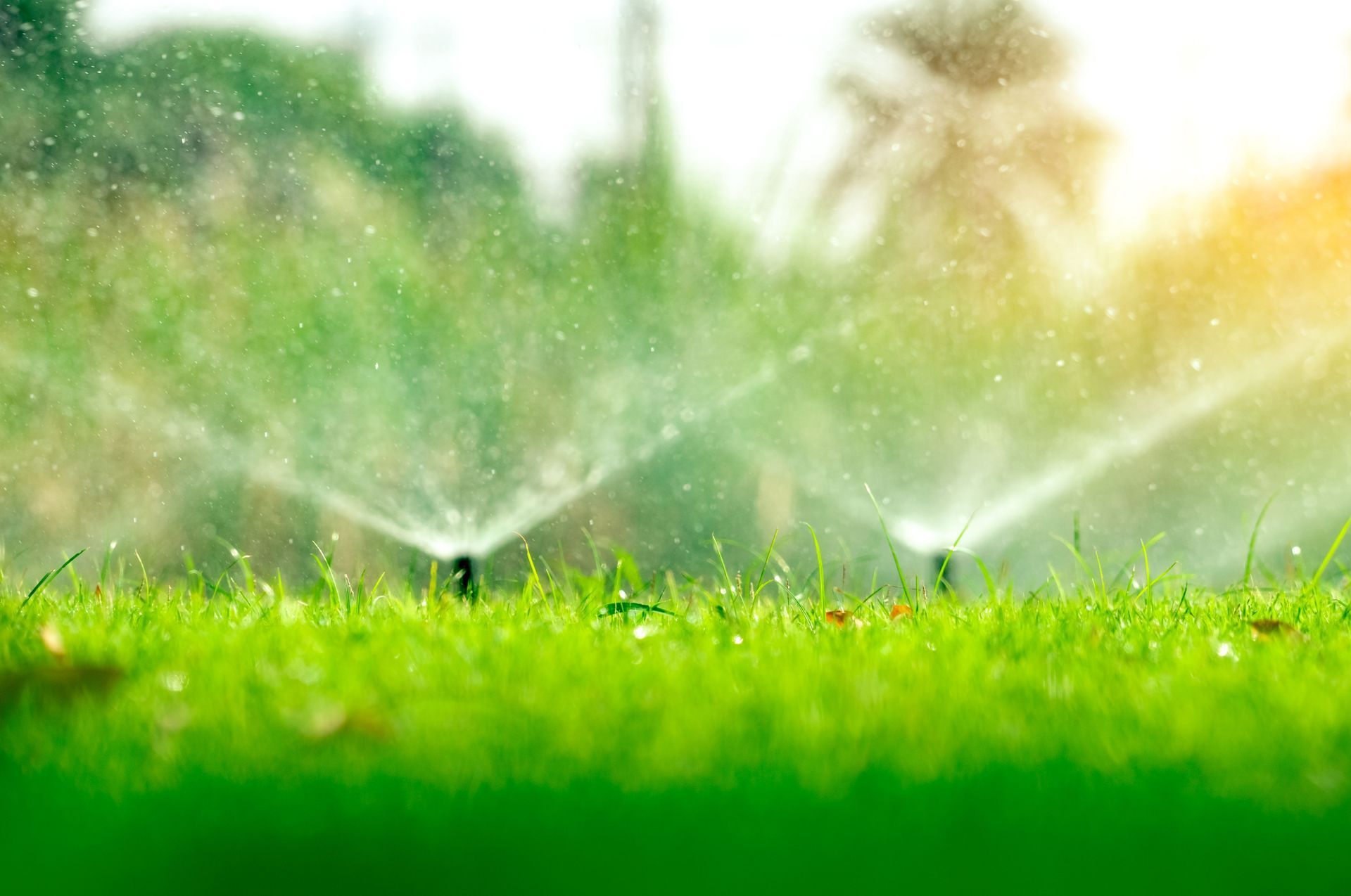
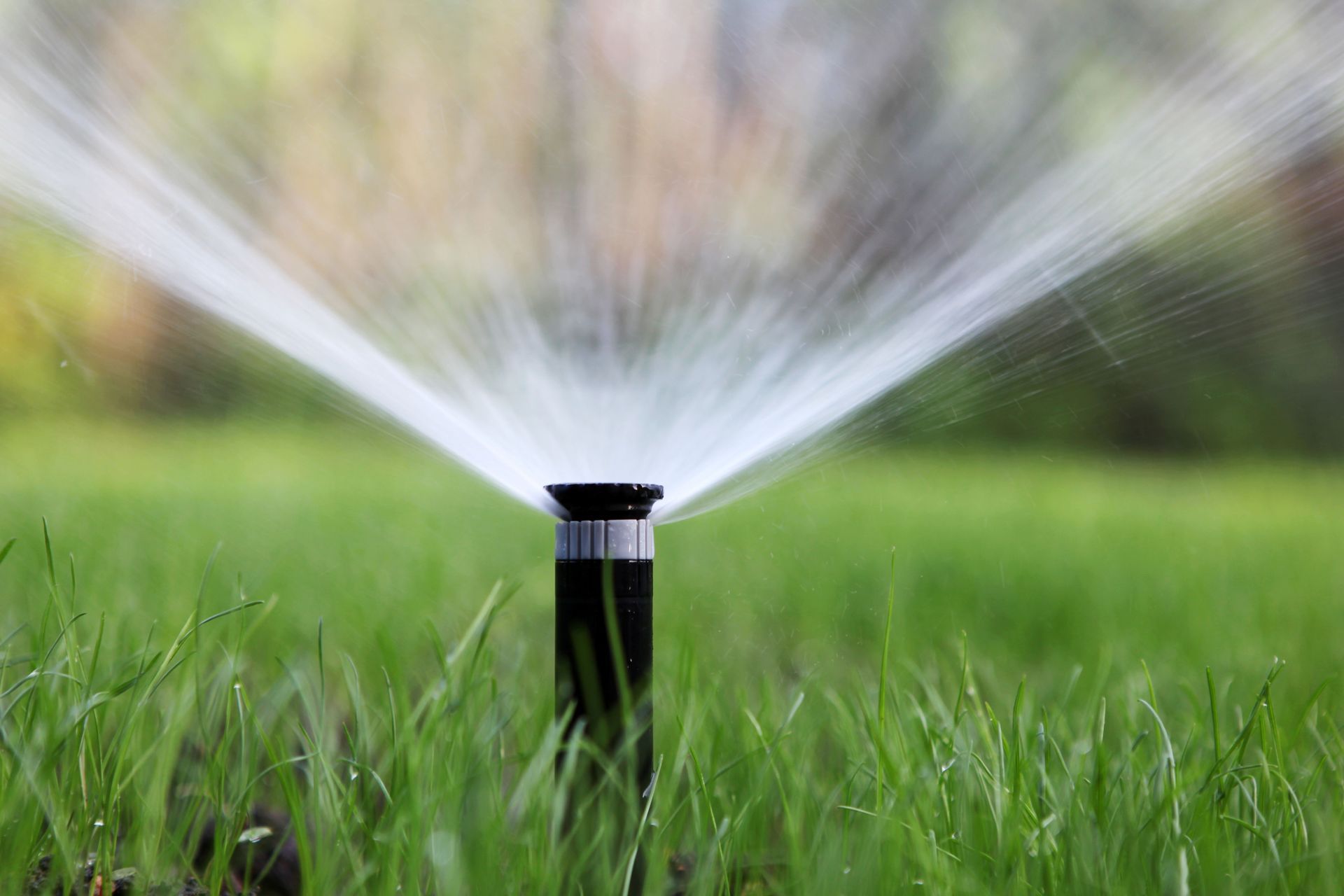
Rainfall patterns have a direct impact on the moisture availability for sod, influencing its growth and vitality. During periods of drought, without adequate irrigation, sod may experience stress and wilting, reducing its lifespan. Conversely, excessive rainfall can lead to waterlogging issues, suffocating the roots and promoting fungal diseases. Balancing natural precipitation with supplementary watering is essential for ensuring the sod receives the right amount of moisture. Effectively managing rainfall and irrigation can contribute to the healthier appearance and increased longevity of sod, especially when sod companies provide guidance based on regional rainfall patterns.
1.3. Sunlight Exposure
Sunlight exposure is crucial for photosynthesis, which is vital for sod's growth and longevity. However, different sod varieties have specific sunlight needs – some prefer full sun while others thrive in partial shade. Overexposure to direct sunlight can lead to dehydration and sunburnt patches on sod, affecting its health. Conversely, insufficient sunlight can lead to weak growth, making sod less resilient to traffic and environmental stressors. Selecting the appropriate sod type for your area's light conditions and strategically planning landscape shading can optimize sod vitality, and knowledgeable sod companies can explain which varieties perform best in sun or shade.
2. Soil Quality
2.1. Soil Composition
The soil composition is foundational to the health and longevity of sod. Different types of soil, including sandy, silty, and clay-based, offer varying drainage and nutrient levels, impacting sod growth. For instance, sandy soils drain quickly but may require frequent watering, while clay soils retain moisture but may suffer from poor aeration. Understanding your soil's composition is crucial to implementing the right amendments, such as adding organic matter to improve fertility and structure. By tailoring soil improvements to specific needs, you can enhance sod's growth environment. Many sod companies recommend testing and amending the soil before installation to support stronger establishment.
2.2. Nutrient Levels
Nutrient availability in soil is critical for the vigor and longevity of sod. Essential nutrients such as nitrogen, phosphorus, and potassium are vital for promoting healthy growth and resistance to diseases. Lawn tests can identify nutrient deficiencies, informing targeted fertilization strategies that sustain optimum nutrient levels. Regularly applying balanced fertilizers replenishes soil nutrients and helps sustain sod health, especially in heavy-use areas and challenging climates. Properly managed nutrient levels enable sod to establish robust roots and maintain lush green growth.
2.3. pH Balance
Soil pH significantly impacts nutrient uptake and sod health, with most grass varieties preferring a pH between 6.0 and 7.0. Soils outside this range may hinder nutrient absorption, promoting poor growth and vulnerability to diseases. Lime can be used to raise soil pH, while sulfur or ammonium-based fertilizers can help lower it, allowing for balanced nutrient availability. Regular soil testing is recommended to monitor pH levels and take necessary corrective actions. Maintaining the appropriate pH is key to sustaining sod vitality and ensuring healthy, vibrant turf.
2.4. Soil Drainage
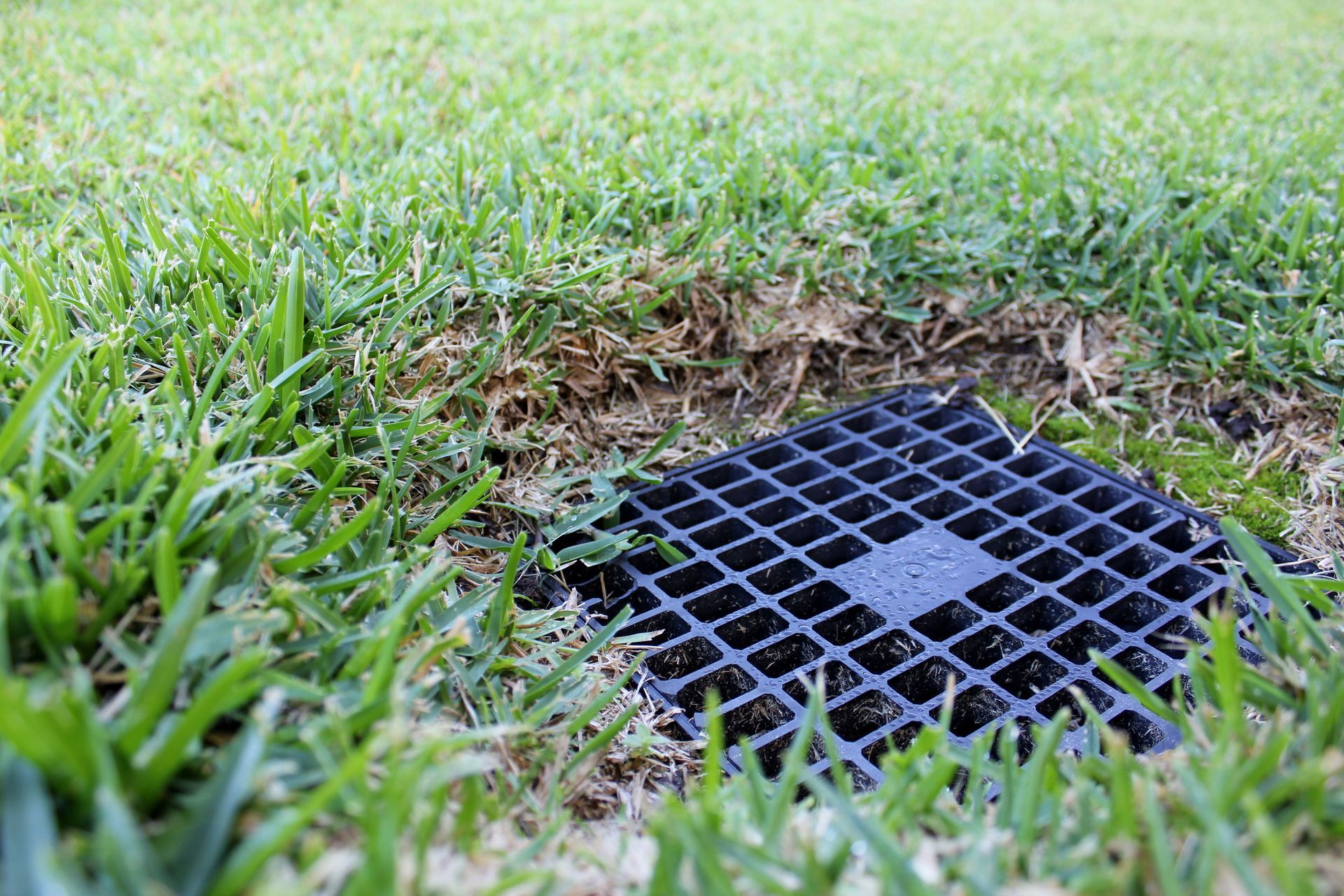
Effective soil drainage is essential to prevent waterlogging, which harms sod by depriving roots of oxygen and facilitating disease proliferation. Poor drainage can result from compacted soil or an improper grade, leading to standing water issues. Solutions include soil aeration, slope adjustments, or installing French drains to facilitate proper runoff. By ensuring efficient drainage, sod can absorb necessary moisture while reducing the risk of fungal diseases. Good drainage is a critical aspect of creating a supportive environment for long-term sod health, which is why sod companies often assess grading and runoff before laying new turf.
2.5. Compaction and Aeration
Soil compaction from frequent foot or vehicle traffic restricts root growth and reduces water infiltration, negatively impacting sod health. Regular aeration alleviates compaction by perforating the soil, enhancing air and water penetration and encouraging root expansion. Aeration is especially important for high-traffic lawns where compaction is more prevalent. According to Lawn Love, the average lawn measures about one-quarter acre, or 10,890 square feet, making aeration equipment accessibility and planning crucial for larger spaces. Addressing compaction through regular aeration can significantly enhance sod's resilience and longevity.
3. Sod Variety
3.1. Warm-Season vs. Cool-Season Sod
Choosing the right sod variety is integral to its longevity, with warm-season and cool-season grasses offering distinct benefits. Warm-season sod varieties, such as Bermuda and St. Augustine, thrive in hotter climates and offer robust growth through summer. In contrast, cool-season varieties like Kentucky bluegrass excel in cooler conditions, providing lush green lawns in spring and fall. Each type has unique care requirements that align with specific climate conditions to ensure optimal performance. Selecting a variety well-suited to your regional climate will enhance sod's durability and sustainability. Reputable sod companies typically offer multiple grass varieties and explain how each one performs in local conditions.
3.2. Drought-Resistant Varieties
Drought-resistant sod varieties play a crucial role in maintaining landscapes during extended dry periods. These varieties, such as Buffalo grass and some Bermuda strains, are genetically predisposed to withstand low water availability. Utilizing drought-tolerant sod helps reduce dependency on irrigation, offering both environmental and economic benefits. These grasses are particularly advantageous in regions prone to water scarcity, ensuring lawns remain healthy without excessive watering. Investing in drought-resistant sod enhances longevity by providing robust growth even in challenging conditions, and sod companies can identify options that reduce irrigation demands.
3.3. Disease-Resistant Sod
Sod varieties bred for disease resistance offer increased longevity and reduced maintenance efforts. Conditions like brown patch disease can severely damage susceptible grasses, but disease-resistant sod mitigates these risks. Selecting varieties with resistance to prevalent local diseases minimizes chemical treatment needs, promoting a healthier, more sustainable lawn. These grasses allow for long-term durability effortlessly, making them ideal for homeowners seeking lush, resilient lawns with lower maintenance input. Incorporating disease-resistant sod supports a healthier, more robust landscape overall.
Maintaining the longevity of sod involves a comprehensive understanding of various factors ranging from environmental conditions to maintenance practices. By addressing each of these areas proactively, it is possible to extend the life and beauty of sod in any setting. This article highlights the importance of recognizing the interconnectedness of these factors and encourages sustainable and informed sod management practices. By working with established sod companies and following proper care methods, property owners can support a healthier, longer-lasting lawn. Call B & C Irrigation Systems today to learn more.